
Composite Psyche Square Eris
Visibility Demands Change


"I embrace the challenges in my relationship as opportunities for personal growth and self-discovery."
Composite Psyche Square Eris Opportunities
- Navigating complexities with curiosity
- Embracing conflict for growth
Composite Psyche Square Eris Goals
- Reflecting on relationship conflicts
- Embracing challenges for growth
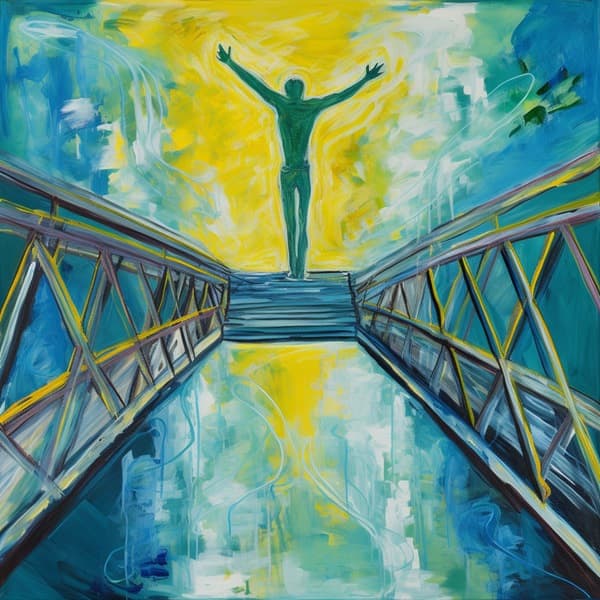
Composite Psyche square Eris organizes a relationship around the exposure of what both people have kept unconscious. The central tension is architectural: the partnership activates precisely what each person has worked to keep hidden from themselves, and neither signed up for that level of visibility.
This aspect creates a dynamic where one person's blind spot becomes the other's unbearable mirror. The relationship may surface as conflict over practical issues, money, time, attention, while the real friction lives underneath: one person is being forced to see something they have spent years not seeing about themselves, and they resent the other for being the catalyst. The resentment is not really about what the other person did. It is about what their presence reveals. One person may defend a choice or a pattern with unusual intensity, or experience the other's questions as accusations even when they are asked gently. That defensiveness is the square working.
The trap is believing the conflict means the relationship is broken. The actual mechanism is that Eris, the excluded, the one left out, operates through exposure and confrontation. In a composite chart, the relationship itself becomes the space where both people are forced to reckon with what they have excluded from their own self-image. One person may suddenly see their own people-pleasing, their own rage, their own refusal to be known. The other may see their cruelty, their distance, their use of certainty as a weapon. Neither discovery feels like a gift in the moment. Both feel like a violation.
What sustains this dynamic is that exclusion, the parts of oneself kept hidden, actually requires another person to maintain. Alone, either person can manage the story they tell themselves. With a witness, the story fractures. Part of each person may prefer the conflict to the alternative: being truly seen and having to change. The square asks both people to choose between comfort and consciousness, repeatedly. When one person reaches for an argument to avoid a conversation where they would have to admit they were wrong, afraid, or less impressive than necessary, they are avoiding the real work. When both people can tolerate being seen without needing to defend or destroy the other, the relationship becomes the container for genuine self-knowledge neither could have built alone.



























