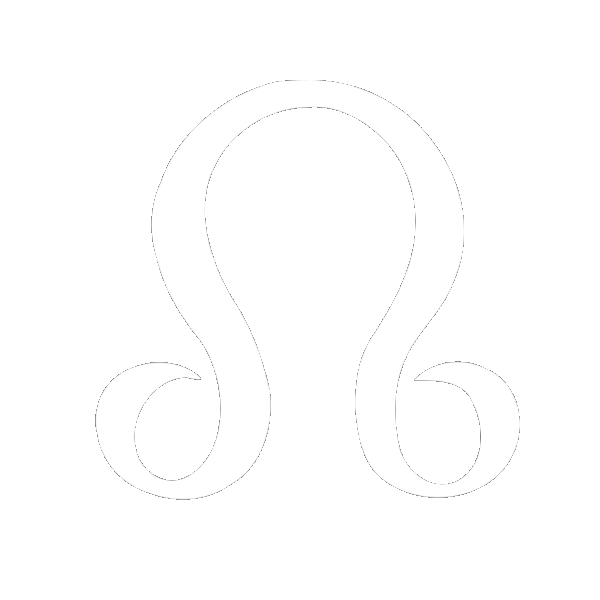
North Node Sesquiquadrate Uranus
Disruption as Compass


"I am empowered to break free from societal expectations, embrace the unconventional, and create space for self-expression and personal freedom."
North Node Sesquiquadrate Uranus Opportunities
- Exploring unconventional relationship dynamics
- Embracing disruptive career choices
North Node Sesquiquadrate Uranus Goals
- Embracing unconventional spiritual practices
- Questioning established beliefs
The sesquiquadrate between your North Node and Uranus creates friction between growth and disruption, not smooth liberation, but jagged, uncomfortable encounters with what needs to change. A sesquiquadrate is 135 degrees: neither a clean opposition nor a supportive aspect. It produces irritation, restlessness, the sense that something is out of joint and won't settle until you move.
Your North Node points toward unfamiliar territory, the skills, relationships, and ways of being you have not yet developed. Uranus in sesquiquadrate to it means that growth itself arrives as a shock, often unwanted. You encounter situations that force you to abandon familiar patterns not because you chose to, but because the old approach suddenly no longer works. A job restructures unexpectedly. A relationship dynamic shifts without warning. A belief you relied on gets exposed as insufficient. The disruption is not gentle invitation; it is friction that demands you adapt or stay stuck. You may feel pulled toward freedom and individuation, yet simultaneously irritated by the cost of getting there, the social awkwardness, the loss of belonging, the uncertainty of untested ground.
The real tension is that Uranus moves faster than you can comfortably integrate. You may find yourself saying yes to unconventional paths before you have genuinely prepared for them, or resisting change until the pressure becomes unbearable. Neither pattern feels quite right. The sesquiquadrate does not offer the luxury of gradual rebellion. It asks you to develop a tolerance for sudden shifts in direction, to trust your instinct even when you cannot yet see the full map, and to recognize that some growth requires you to become a stranger to the life you knew. When you work with this friction consciously, when you stop waiting for permission and start experimenting with what feels alive even if it looks wrong, you develop a rare capacity: the ability to reinvent yourself without losing your center, to embrace change as information rather than threat.