Venus Square IC
Intimacy Meets Walls

The Venus person moves toward connection, pleasure, and relational ease; the IC person is oriented toward emotional foundation, privacy, and the safety of established rhythms. Where these two operate on perpendicular tracks, attraction can coexist with a baseline friction that neither person initiates deliberately, it simply arises from their different answers to what closeness means.
The Venus person experiences the IC person's domestic or emotional boundaries as withdrawal, even when they are simply protecting the inner sanctum they require. The IC person, meanwhile, feels the Venus person's bids for intimacy and shared vulnerability as intrusive or premature, a demand to open before the foundation is secure. When the Venus person reaches for reassurance through affection or time together, the IC person may retreat into privacy or become guarded about family history, childhood wounds, or the conditions under which they feel truly safe. The Venus person reads this as coldness; they experience it as rejection at the moment of offering. The IC person experiences it as necessary self-protection, not refusal.
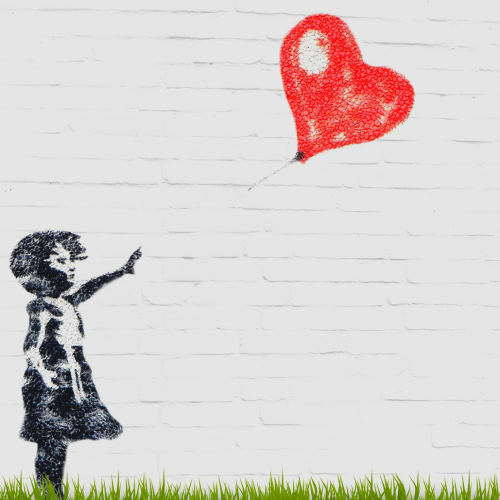
The square creates a specific behavioral pattern: the Venus person initiates a tender moment, suggesting a shared meal, asking personal questions, offering comfort, only to encounter the IC person's hesitation or deflection. Rather than softening, they often double down on self-reliance or change the subject. Over time, the Venus person either learns to respect these boundaries or begins to feel chronically rejected. The IC person, conversely, may come to see the Venus person's warmth as naïve or as pressure to merge before individual security is established. One person sits across the table offering openness; the other person looks away and talks about something safer. Neither is wrong. Both feel unseen.
The mature expression requires the Venus person to understand that the IC person's caution around emotional access is not a referendum on the relationship's value but a genuine need to know their own ground before sharing it. The IC person must recognize that the Venus person's invitations are not threats but offerings, and that some softening of the boundary, offered on their own timeline, actually strengthens rather than compromises their foundation. Without this negotiation, the relationship can settle into a pattern of approach and retreat, where both people feel chronically misunderstood and neither person's need registers as legitimate to the other.
This aspect does not prevent deep connection. It does require both people to become fluent in a language that does not come naturally to either, the Venus person learning to court the IC person's trust slowly, the IC person learning that vulnerability with the right person is not the same as dissolution. The friction is real, but so is the possibility of building something that honors both the need for connection and the need for a solid self.