Vesta Opposition Vertex
Guarding Against Arrival

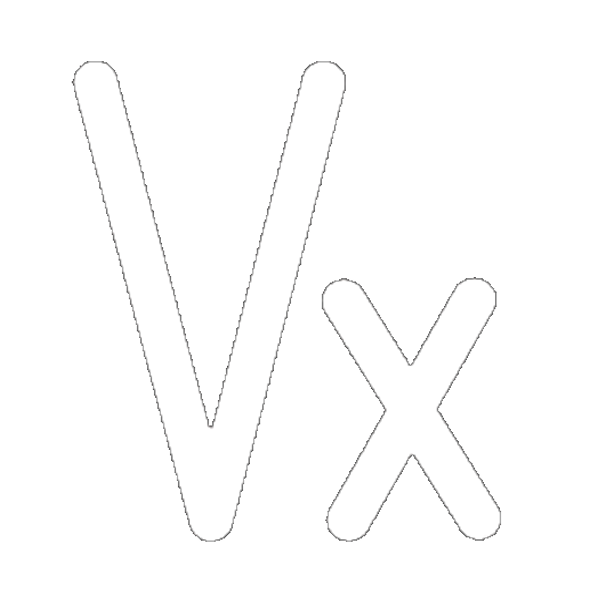
The Vesta person tends toward vigilance, containment, and the careful tending of what matters most, a focused inward flame. The Vertex person embodies threshold moments, the sense of fated encounter, the turning point where choice crystallizes. These two operate in opposition: one guards the sacred through discipline and boundary; the other experiences life as a series of inevitable crossroads that demand response. The Vesta person's instinct is to protect through separation; the Vertex person's instinct is to recognize significance through surrender to circumstance.
When the Vertex person encounters the Vesta person, they often experience the Vesta person's devotional focus as a mirror to their own moment of choice. The Vertex person may feel called to commit or decide precisely when the Vesta person is most present, and this can feel fateful, as though the relationship itself is a threshold event. Conversely, the Vesta person experiences the Vertex person as someone who arrives at moments of psychological intensity, asking them to release control and trust the unfolding. They may resist this, experiencing the Vertex person's "fated" quality as a demand to loosen the very boundaries that feel protective. A concrete moment: the Vesta person is managing a carefully maintained emotional distance when the Vertex person articulates a life-turning realization, and they must choose between staying guarded or stepping into the significance of the moment.
The opposition creates productive friction around what devotion actually means between them. The Vesta person can offer the Vertex person grounding, a way to honor turning points without being swept away by them. But their caution can also feel like withholding at precisely the moments the Vertex person needs witness and participation. The Vertex person, for their part, can help the Vesta person see that some thresholds require the relaxation of control, that not all intimacy is a threat to the sacred. Yet their comfort with inevitability can frustrate the Vesta person's need for intentional choice and careful stewardship. Neither person naturally understands the other's relationship to commitment: one sees it as something to be protected through discipline; the other sees it as something recognized through acceptance of life's turning points.
The maturation of this dynamic lies in the Vesta person learning that destiny does not erase personal agency, that recognizing a threshold moment can coexist with careful devotion. The Vertex person must learn that not every significant moment requires immediate surrender; sometimes the sacred is protected precisely through measured response. When both can integrate these truths, the relationship becomes a container where fated encounters are met with conscious commitment, and devotion deepens rather than contracts in the face of life's turning points.