
Vesta Sesquiquadrate Vertex
Tending Versus Crossing

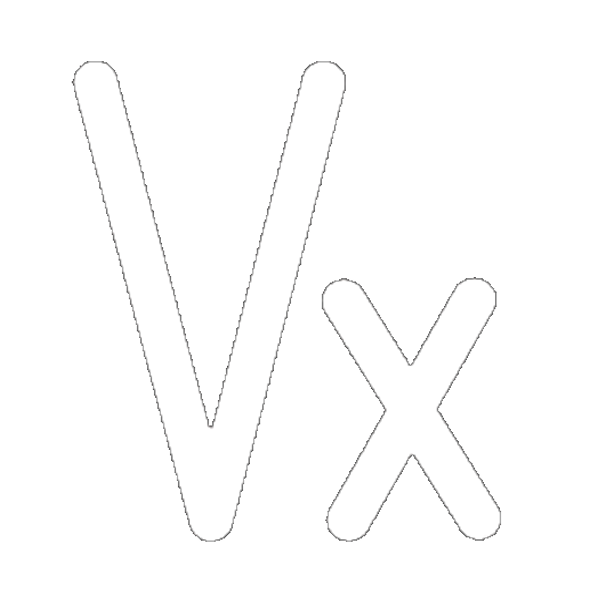
The Vesta person brings focused devotion and sacred containment into the relational field; the Vertex person experiences this as a threshold moment that demands choice. Where the Vesta person seeks to tend, protect, and consecrate through consistent attention, the Vertex person feels called toward a turning point, a crossroads that makes ordinary tending feel insufficient or suddenly urgent. The sesquiquadrate creates a 135-degree angle of friction: the Vesta person's need to build meaning through ritual and inner commitment does not align cleanly with the Vertex person's sense that something fateful is at stake, something that requires decision rather than devotion-as-usual.
The Vesta person may experience the Vertex person as someone who keeps pulling the conversation toward "what this means" or "where this is going", questions that interrupt their preference for quiet, sustained presence. The Vertex person, meanwhile, senses that the Vesta person's commitment is real but somehow sidestepping the larger implications of their connection; they tend the immediate sacred space while the Vertex person feels a pressure to acknowledge something bigger. When the Vesta person withdraws into private focus or refuses to dramatize the relationship's significance, they may be read as evasive. When the Vertex person pushes toward clarity or confrontation, the Vesta person may feel the intimacy is being weaponized or exposed unnecessarily. A concrete moment: the Vesta person lights a candle and speaks softly about their care; the Vertex person interrupts to ask if this relationship is meant to last, and the Vesta person goes silent.
The sesquiquadrate does not resolve into harmony, but it can mature into mutual recognition. The Vesta person tends the flame through small, repeated acts of presence; the Vertex person needs the relationship itself to be named as a turning point, a before-and-after. One tends the flame, the other reads the smoke as a sign. The Vertex person's need for threshold clarity is not neediness but a legitimate way of marking significance; the Vesta person's quiet devotion is not evasion but a form of commitment that does not require constant reaffirmation. When the Vesta person learns to name what they protect, and the Vertex person learns that some sacred things are honored through consistency rather than declaration, the friction becomes a tool rather than a wound.