
Vertex Trine Vesta
``` PHRASE: Alignment Mistaken for Truth

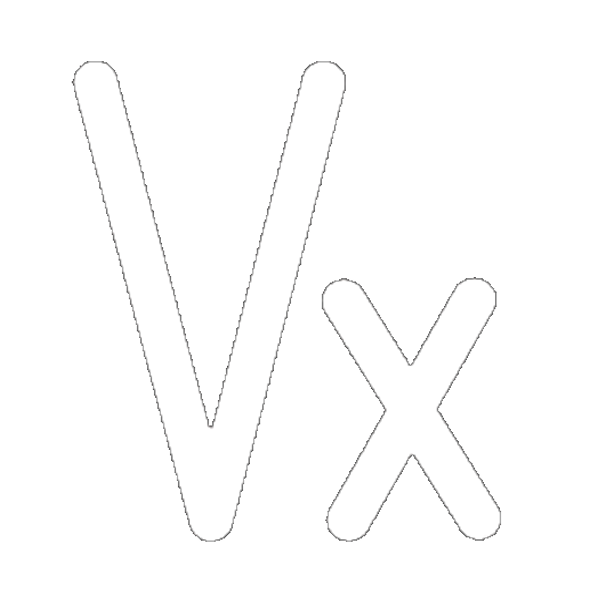
Vertex trine Vesta describes a particular kind of alignment: when you tend something with genuine focus, a skill, a relationship, a practice, a commitment, the world seems to arrange itself around that tending. People and opportunities appear that match the quality of your devotion. This is not magical thinking; it is the ordinary result of sustained attention. You notice what matters to you because you have already decided what matters. You move toward it with less ambivalence than most. The trine aspect means this alignment feels relatively unforced; you do not have to wrestle your own priorities into shape before circumstance can meet you.
The mechanism is straightforward: Vesta governs what you keep sacred, what you protect from distraction, where your flame burns steadiest. The Vertex is the point where your inner reality meets circumstance in a way that feels inevitable in retrospect. When these two are in harmony, your encounters tend to involve people and situations that either honor your existing devotion or call forth a new one you did not know you were ready to claim. You say yes to the partnership that supports the work you actually care about. You meet the mentor when you have already begun the practice. You recognize the home when you have already decided what home means. Commitment feels less like sacrifice and more like confirmation. This is not passivity; it is the result of having decided what matters before the moment of choice arrives.
The risk is subtler than it appears: because alignment comes relatively easily, you may mistake ease for correctness. You can become attached to the feeling of being "in the right place" and defend that comfort against necessary disruption. You may also assume that if something does not feel fated, it is not worth your time, and miss opportunities that require you to build devotion gradually, without the reassurance of immediate resonance. The other edge: you can become so protective of what you have decided is sacred that you defend it against necessary change. Your flame burns steady, but steady can calcify into rigidity.
The practical adjustment is to distinguish between what truly deserves your focus and what merely feels aligned because you have already decided it should. Periodically ask whether your devotion is alive or habitual. The gift of this aspect is not that you will never choose wrong; it is that when you choose with real clarity about what matters, the world tends to cooperate. That cooperation is worth protecting, but not by refusing to question it.