
Aquarius 8 Sabian
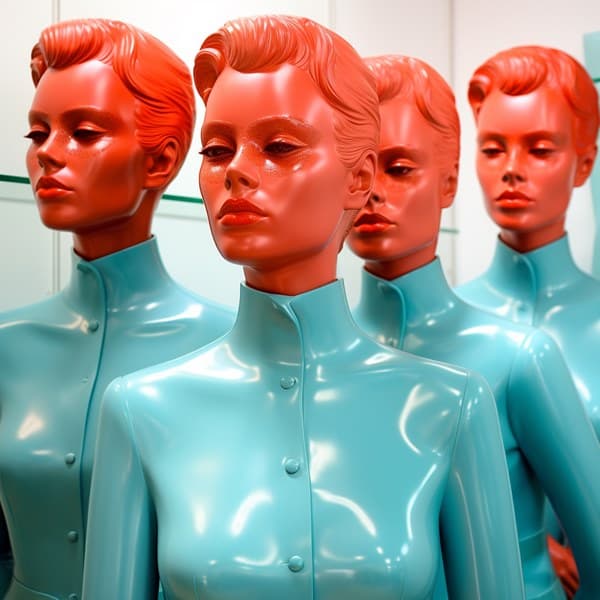
Beautifully gowned wax figures

The central tension here is between the appearance of life and the absence of it. Wax figures are dressed, positioned, even lit to catch the eye. They look intentional. They look like they belong in the world. But nothing moves. Nothing breathes. Nothing changes. In Aquarius at an early degree, this is not yet a refined philosophy or a conscious choice to observe from a distance. This is the raw impulse to present something perfect and untouched, to make the self into an idea that others can look at without having to respond to, without having to know. The gown is beautiful precisely because it requires no vulnerability from the figure wearing it. It can be admired without asking anything back.
At this early stage of Aquarius, the process involves learning what it feels like to step outside the immediate emotional demands of connection. This energy can become fluent in the language of detachment before understanding what is being protected. It constructs a self that is interesting to observe but difficult to reach: it speaks in concepts, presents curated interests, and positions itself as someone studying the scene rather than someone in it. There may be a tendency to go quiet in intimate moments, or suddenly become very articulate about abstract principles when someone gets too close. The gown looks good. The distance feels safe. What has not yet been felt is the cost of being seen without being known.
The challenge here is mistaking aesthetic distance for actual freedom. There is a belief that if the self can be made into an object of beauty and fascination, the problem of being human is solved. It is not. It is only postponed. The wax figure does not suffer, but it also does not choose. It does not grow. It does not surprise itself. At eight degrees, this distinction has not yet broken through. There is often a conviction that the perfect presentation is the same thing as safety. Thoughts are kept organized and feelings catalogued, as if the arrangement itself is protection.
What is being traded is spontaneity for control. The gown stays perfect because nothing real is allowed to wrinkle it. There is no need to negotiate with anyone about who you are because it has already been decided: the self is the interesting observer, the one who knows better, the one who stands outside. This trade feels like an advantage until someone you care about stops trying to reach you. Then the beauty of the display becomes its prison. The question is not whether you can be more open or less defended. The question is whether you can notice, right now, the moment you choose the curated version of yourself over the uncertain one. Watch for the impulse to explain instead of admit. Watch for the moment you reach for distance when you could reach for presence.



























