
Cancer 11 Sabian
A Chinese woman nursing a baby with a message

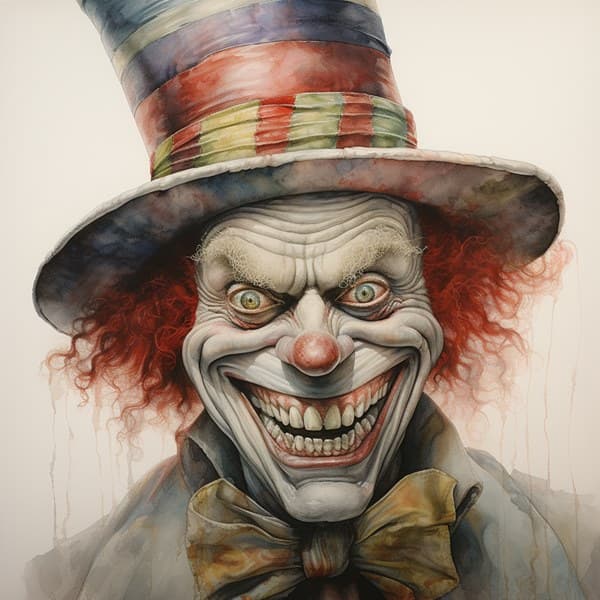
The clown does not mock from outside. He stands inside the room, wearing the face of someone everyone recognizes, and makes you see what you already know as strange. This is the paradox at Cancer 11: the symbol is rooted in belonging—Cancer is the sign of family, intimacy, safety—yet it operates through estrangement. The clown caricatures the well-known, which means he takes what feels natural and inevitable and renders it absurd. He does this while wearing a red nose and oversized shoes, which means he does it while asking for permission to be ridiculous. At the middle degree, this is not a gift being offered gently. This is a skill being tested under pressure. You are learning what happens when you point out the familiar contradiction. You are learning whether the room can hold that mirror.
The psychological tension is between your genuine need for connection and your compulsion to expose the performance within it. You likely grew up watching the unspoken rules of your family or tribe, and you developed a peculiar sensitivity to the gap between what was said and what was actually happening. Now you find yourself in groups—at work, in friendships, in intimate relationships—and you cannot help but see the script everyone is following. You make a joke. You exaggerate their gestures slightly. You say the thing that is obviously true but that no one is supposed to say out loud. Sometimes people laugh. Sometimes they don't. When they don't, you feel the cold suddenly. You have made yourself the problem by making the invisible visible, and now you are outside the circle you were trying to stay inside of.
What you are protecting against is genuine powerlessness within the group. If you are the one who names the absurdity, you are not the one being named. If you are the clown, you cannot be the fool. This trade costs you real intimacy because intimacy requires the risk of being seen without the mask of humor. You know this. You have probably felt the moment when someone you cared about stopped laughing and asked you to just be serious, just be present, just let them love you without the commentary. That moment terrifies you because it means dropping the one tool that has always kept you safe. Notice how you reach for the joke when someone gets close. Notice how the humor intensifies right when vulnerability becomes possible.
The clown caricatures well-known personalities—not strangers, not enemies, but people the audience loves or recognizes. This is specific. You are not attacking the unknown. You are making sport of what is intimate and familiar. At Cancer 11, you are in the middle of learning whether this is a gift or a wound. The gift is real: you can name the truth that others are afraid to speak. You can deflate pretense. You can make people see their own behavior reflected back. But the wound is also real. You have learned to survive by being the one who sees through, and you may have forgotten how to be the one who believes in.
What matters now is whether you can hold the caricature without needing to perform it. You can see the absurdity without announcing it. You can recognize the script without interrupting it every time. The next step is not more intensity. It is staying in the room after you have seen through it. Notice today where you make the joke before anyone has asked you to. Notice whether you are actually amused, or whether you are already afraid.



























