
Cancer 25 Sabian
Contentment and happiness in luxury, people reading on davenports

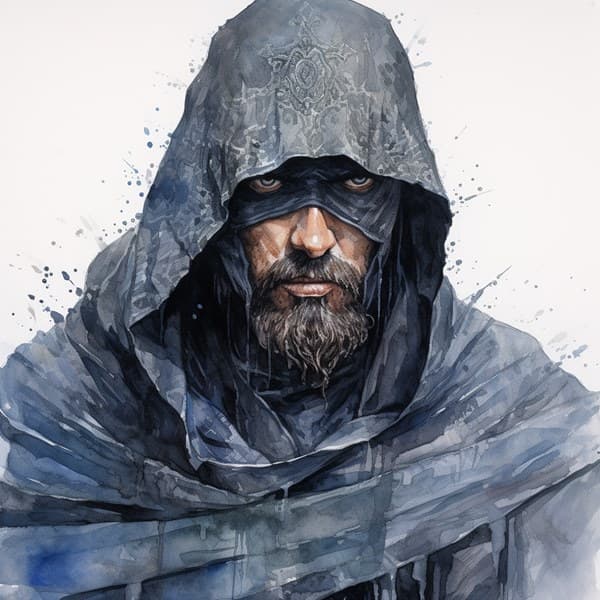
The invisible mantle is the problem, not the solution. A leader wrapped in power no one can see has already made a choice: to rule through presence rather than declaration, through the weight of unspoken authority rather than the friction of actual command. At 25 degrees in Cancer, this is not the first time this placement has felt the burden of holding space for others. The mantle has become so familiar it feels like skin. What began as a gift—the ability to steady a room without raising one's voice—has calcified into a trap. The leader stops speaking because silence has always worked. Stops asking for help because the invisible power suggests it is unnecessary. The exhaustion is real, but it wears the mask of quiet competence.
This is the psychology of the person who manages through emotional weather rather than explicit direction. This placement sits at a table and people orient toward it without being told to. It says nothing and the anxious energy in the room settles. Children or team members make better choices when this energy is present, not because they have been threatened or instructed, but because an emotional field has already done the work. This placement may have noticed that when it leaves the room, the coherence collapses. They revert. This is not a sign of their weakness. It is a sign that this energy has trained them to depend on invisible regulation rather than their own. The mantle works. It also isolates.
The challenge is specific: one cannot teach what one does not name. The power that moves through silence cannot be passed on. Children or successors inherit the expectation that they too should be able to hold a room through sheer presence, through the unspoken, through the mantle. When they cannot—when they are younger, less practiced, or simply built differently—they interpret it as their own failure rather than a strategy that only works for this placement. Leadership has been modeled as a kind of emotional sorcery rather than a skill. The trade made is this: the ability to move people without resistance in exchange for the isolation of never being fully known. No one sees the mantle because it is designed to work invisibly. But invisibility means no one sees the person behind it either.
At this late degree, something has already worn thin. The mantle that once felt like power now feels like a weight that cannot be removed. This placement may find itself resenting the very people who respond to its presence, because their responsiveness proves they need this energy in a way that feels like a cage. This placement may notice that it has stopped trying to be seen, stopped asking directly for what it needs, because the invisible power has convinced it that asking would diminish it. This is where the exhaustion becomes a challenge: the tendency to confuse one's own depletion with the natural cost of leadership. It is not. The cost is the cost of never testing whether anyone would stay if the room were no longer managed. Notice where the space is being held and where the self is being held hostage inside it.
The choice available now is not to abandon the mantle but to make it visible. To name what is being done. To teach it rather than simply perform it. To ask directly instead of waiting for the invisible signal to be received. The people around this placement are not as fragile as the mantle assumes. They may surprise you. They may fail. They may also become capable in ways that threaten the necessity of this role—and that threat is exactly what the invisible power has been protecting this placement from feeling. What matters now is whether this energy will continue to lead from behind the veil, or whether it will risk being seen.



























