
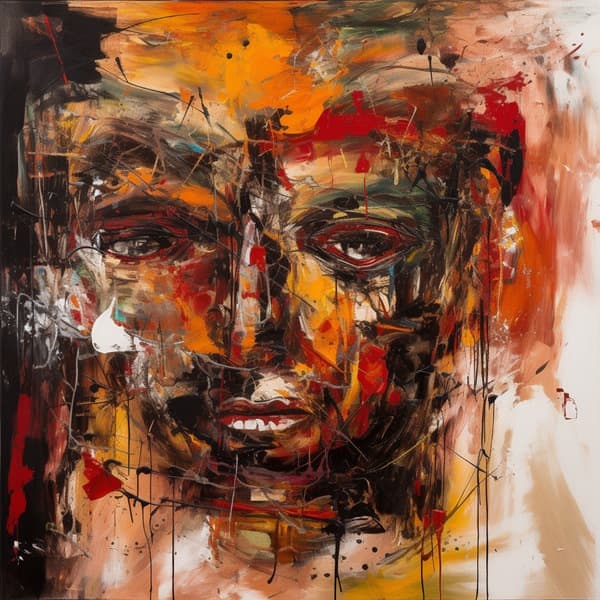
Psyche Square Lilith
The work is not to choose one side. It is to recognize that Lilith's refusal to be contained and Psyche's need to integrate are both real, both necessary. You are learning to hold a self that is both coherent enough to survive and wild enough to remain free. This means tolerating the discomfort of being known in some dimensions while remaining unknown in others—not as fragmentation, but as integrity. The friction teaches you that depth and autonomy are not enemies. A soul can be witnessed without being domesticated. You can be understood without being trapped.



"I am fearlessly embracing my authentic expression of power and sexuality, redefining my narrative and transforming limitations into opportunities for growth and self-discovery."
Psyche Square Lilith Opportunities
- Challenging societal norms and expectations
- Integrating emotional needs and desires
Psyche Square Lilith Goals
- Challenging fears and insecurities
- Integrating emotional needs and desires
Psyche square Lilith describes a friction between your soul's continuity, the part of you that remembers, witnesses, and integrates experience, and your refusal to be contained, managed, or domesticated. This is not fundamentally about sexuality, though it often appears there first. It is about a deeper collision: your need to know yourself deeply conflicts with your need to remain unreadable, even to yourself.
The square creates a specific bind. Psyche wants coherence, narrative, the story of who you are across time. Lilith refuses the story. She will not stay in the frame. When you begin to understand yourself, to see a pattern, name a wound, claim a desire, Lilith erupts and denies it, abandons it, or inverts it. You may find yourself sabotaging intimacy precisely when you feel most seen. You may reject a lover's understanding of you as if their clarity were a cage. You may refuse to acknowledge your own depth because acknowledgment feels like surrender. The moment you admit what you want, you want something else. The moment you commit to a version of yourself, you become someone who will not be that.
This creates a particular loneliness: you cannot let yourself be known because being known means being fixed, and being fixed means being controlled. Yet Psyche's hunger for integration does not disappear. It simply goes underground, creating a secondary wound, the feeling that you are fundamentally illegible, even to yourself. You may experience your own desires as foreign, your own choices as mysterious, your own continuity as suspect. The refusal protects you, but it also fragments you.



























