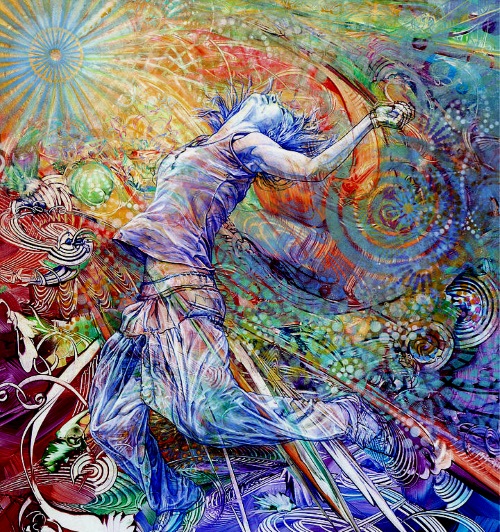
Psyche in 2nd House
Psyche in the 2nd House places the soul's wound and resilience directly in the field of material reality, self-worth, and what you own versus what owns you. The 2nd House is not merely about money, it is about the internal valuation system that determines what feels safe to possess, what you believe you deserve, and how you translate inner worth into outer form. Psyche here means your deepest survival story, the place where you were wounded into consciousness, becomes entangled with your relationship to resources, body, and tangible security.
The core pattern: you may use material accumulation or control as a substitute for the deeper psychological work of integrating your wound. Security feels urgent because something in your past taught you that survival itself was uncertain, whether through actual deprivation, unpredictable care, or the loss of something you depended on. This creates a specific behavioral trap: you gather, organize, and defend resources as a way of managing an anxiety that is actually psychological, not material. You say yes to the job that pays well before asking if it will feed your soul. You hold tightly to what you own because releasing it feels like releasing the only proof that you are safe. The irony is that this tightening often creates the scarcity you fear, not through external loss, but through the exhaustion of attending to security at the cost of generosity, play, and the actual experiences that make life feel abundant.
Where the wound becomes useful: Psyche in the 2nd also gives you a keen sensitivity to value, what is truly worth having, what is counterfeit, what sustains versus what merely decorates. You can feel into quality in a way others cannot. You understand intuitively what nourishes and what depletes. This sensitivity, when not locked in defensive hoarding, becomes a real gift for discernment about resources, time, and relationships. You can teach others what authentic wealth looks like because you have survived the knowledge that it cannot be bought. The work is learning to trust that your inner resilience, the fact that you survived your wound, is itself the security you have been building outward. Once that recognition lands, generosity becomes possible not as a spiritual practice, but as a natural overflow.
The blind spot is assuming that if you can just secure enough externally, the internal wound will quiet. It will not. The material world cannot solve a psychological injury. What can happen is that you build a fortress so solid you forget there is anything outside it worth experiencing. The developmental turn is small but real: use your capacity for valuation to ask what you actually need, not what you think you should need, not what will impress, but what makes you feel alive in your body and present in your relationships. Then let that answer reorganize your priorities, not your ideology about security.