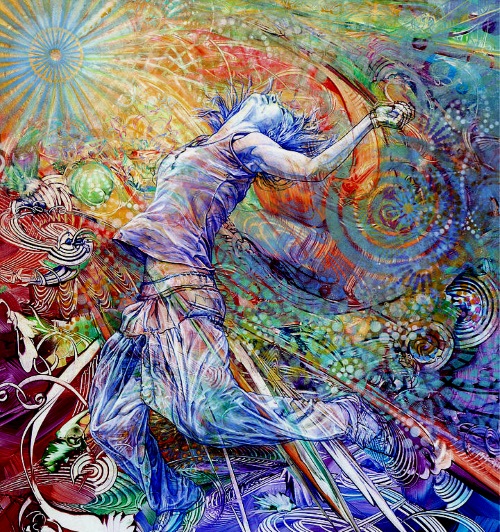
Uranus Square Natal Moon
Transiting Uranus square your natal Moon destabilizes your emotional baseline and breaks the habitual ways you regulate feeling. This is not gentle disruption, it withdraws the predictability you have relied on internally. You may find yourself reacting with intensity or detachment to situations that normally would not affect you, or conversely, feeling unmoved by things that usually matter. Your default emotional responses become temporarily unreliable.
The square creates a specific collision: your need for emotional safety meets an urgent demand for change. You cannot stay in the same internal arrangement. This often surfaces as restlessness in family dynamics or home life, not because external events necessarily demand it, but because you can no longer inhabit the emotional role you have been playing. You may say things you have kept silent about for years, or you may suddenly need to leave situations that once felt tolerable. The discomfort is not punishment; it is clarification that your emotional container has become too small.
During this transit, others may perceive you as erratic or unpredictable because your emotional responses are genuinely less automatic than usual. You are not being difficult, you are being honest in a way that breaks the implicit agreements that held your relationships in place. This can strain bonds with family or intimate partners, especially those who benefited from your emotional consistency or self-restraint. The cost of this authenticity is temporary instability in relationships that were built on a version of you that no longer fits.
The real task is not to stabilize yourself back into the old pattern, but to build a new emotional foundation that can tolerate both authenticity and connection. This requires distinguishing between necessary change and reactive chaos, between genuine self-expression and the impulse to disrupt simply because you can. The transit asks: what parts of your emotional life have you outgrown, and what new needs are now demanding to be met? The answer will not come from reflection alone. It emerges through the friction itself.