

Composite Ascendant Conjunct Vertex
Destined to shift your path

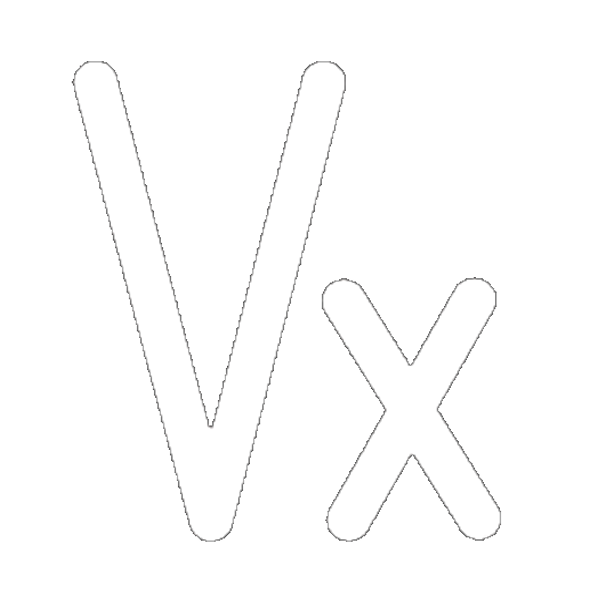
The Composite Ascendant conjunct Vertex describes a relationship whose initiating force and turning points carry an unusual sense of inevitability. This is not mysticism, it is a structural signature in the relational field itself. The Ascendant is how the pair moves into the world; the Vertex is the axis of fated encounter and catalytic threshold. When they merge, the relationship itself becomes the vehicle through which both people meet their own directional shifts. Meetings arrive at precisely the moment one or both needed redirection. Commitments crystallize at inflection points neither person engineered alone. The timing feels less like coincidence and more like the relationship arriving when the architecture of each person's life required it.
In lived experience, this manifests as a heightened sensitivity to synchronicity and turning points within the pair. One person may recognize that they met the other exactly when they could no longer continue on their previous path, the other becomes not just a partner but a catalyst for necessary change. Conversations that begin casually shift into moments of clarity about direction. A decision one person was postponing suddenly becomes obvious once both are in the room together. Neither person orchestrates this; it happens through the simple fact of their presence to each other. The relationship has an almost gravitational pull toward moments that matter. Small disagreements can suddenly illuminate what each person actually needs to do next. The pair may find themselves saying, "I don't know how I would have known that without you," not because one person told the other what to do, but because the relationship itself clarified what was already trying to emerge.
The shadow of this placement is that both people can become dependent on the relationship as their primary source of direction and meaning. The sense of destiny can obscure the ordinary work of choice, both may defer to "the timing" or "what feels meant to be" rather than actively deciding. If one person begins to feel the other is no longer catalyzing growth but instead anchoring them to a phase they have outgrown, the very fatedness that drew them together can feel like entrapment. The relationship's initial sense of rightness can mask the need for each person to develop their own internal compass. Both people may need to learn that the relationship's gift is not to replace their individual agency but to activate it.
When both people honor the relationship's structural function, as a meeting place for mutual becoming rather than a destination, it becomes extraordinarily generative. The pair develops an unusual capacity to recognize when change is needed and to move through it together without clinging to what was. They become mirrors for each other's evolution rather than obstacles to it. The relationship teaches both people that timing is real, that some meetings carry weight, and that sometimes the most important direction in life arrives not through planning but through showing up to what is already in motion. This placement offers the rare gift of a partnership that feels both chosen and inevitable, a paradox that, when lived consciously, becomes the foundation for sustained growth.

























