Draconic Ascendant Inconjunct Psyche
Soul essence meets hidden rhythm

The central tension here is not between two selves waiting to be reconciled. It is between what your soul arrived already organized around and the particular arena where that organization becomes visible to others. Your Draconic Ascendant carries the constitution you brought with you—a way of being that feels like character rather than choice. Your psyche, by contrast, holds the actual texture of your inner life: what you feel, what you need, what moves you when no one is watching. The inconjunct between them is not a gap to close. It is a permanent friction. You cannot make them match because they are not supposed to.
What this aspect actually organizes is a specific kind of performance anxiety that has nothing to do with fakeness. You present yourself in a way that feels true to your soul's nature, but that presentation does not translate what is actually happening inside you. People see the Draconic Ascendant—a particular dignity, a certain distance, a kind of composure or intensity or reserve—and they assume it means something about your inner state that is not quite accurate. You might walk into a room with a Draconic Ascendant that reads as self-contained, while your Psyche is actually turbulent, seeking, uncertain. Or you carry a Draconic Ascendant that appears vulnerable or open, while your Psyche is protecting something you will not name. The two are not in conflict. They are simply not synchronized. When someone responds to what they see, they are not responding to what is actually there.
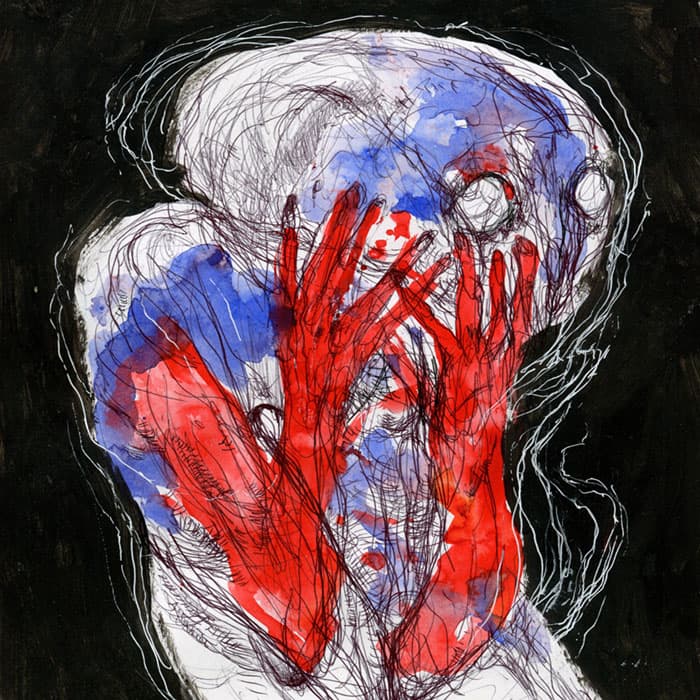
This produces a particular exhaustion. You cannot simply be yourself because your self does not broadcast accurately. You end up either over-explaining your inner life to people who already think they understand you, or you accept the misreading and let it sit. Many people with this aspect become skilled at a kind of translation work—learning to speak in the language others expect while keeping the actual texture of their experience private. This is not inauthenticity. It is a form of self-protection that works. But it also means you may rarely feel truly seen, because the version of you that is visible is not the version that is actually experiencing things. You trade direct recognition for safety. The trade persists because being misunderstood is sometimes easier than being known.
The work is not integration. Integration assumes the two can be brought into harmony, and they cannot. The work is acceptance of the permanent gap, and then a deliberate choice about when to bridge it and when to let it remain. Notice the next time someone responds to you based on what they see. Notice whether you correct them, accept the misreading, or say nothing. That choice point—which happens in almost every conversation—is where this aspect actually lives. You are not broken. You are simply organized in a way that requires you to decide, repeatedly, how much of your actual inner life you are willing to make visible.