
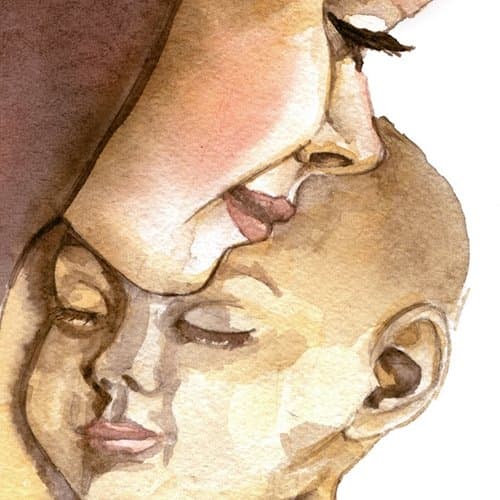
Draconic Sun in 4th House
Guardian of the ancestral hearth

Your soul is organized around protection, and the 4th house is where this organization becomes most visible: in the family you came from, in the home you build, in the emotional foundation you stand on. This is not a learned skill or a spiritual gift. You arrived already structured by the need to hold, to guard, to keep what matters from dissolving. The protective instinct does not sit beside your identity. It runs through the center of it.
What distinguishes this from simple caregiving is the vigilance underneath. You read your family's emotional weather before anyone speaks. You notice the crack in your parent's voice, the way your sibling's shoulders tense, the unspoken need in the room. You have already decided what you will do about it. This is not empathy as feeling—it is empathy as surveillance. You move through your home already knowing what needs protecting, and you have built yourself around the role of protector. The trade you make is that you are never quite at rest. Protection is a full-time operation, and you are always slightly braced.
When you are not needed in this role, the ground shifts. Your sense of purpose becomes uncertain. You may find yourself creating small crises in your family relationships, or you may withdraw entirely, because existing without a protective function feels like nonexistence. You know who you are when someone depends on you. Without that dependence, the self becomes unclear. Notice where you manufacture worry to restore your sense of belonging in your family system.
The failure of this organization is that it mistakes control for safety. You believe that if you can anticipate harm, manage the home environment perfectly, read the emotional weather precisely, you can prevent loss and abandonment. But the world does not work that way. The people you protect will eventually need to leave, to fail, to hurt themselves despite your vigilance. Your refusal to accept this is not love. It is the armor you built before you understood that some things cannot be guarded against—and that trying to guard them exhausts you into resentment.
What matters now is recognizing the moment when you shift from responding to your family's actual needs into managing their emotional states to keep yourself stable. That is the hinge point. That is where protection becomes possession. The next step is not more intensity. It is the willingness to let someone you love struggle without rushing in.

























