Draconic Sun in Cancer
Protection as Identity




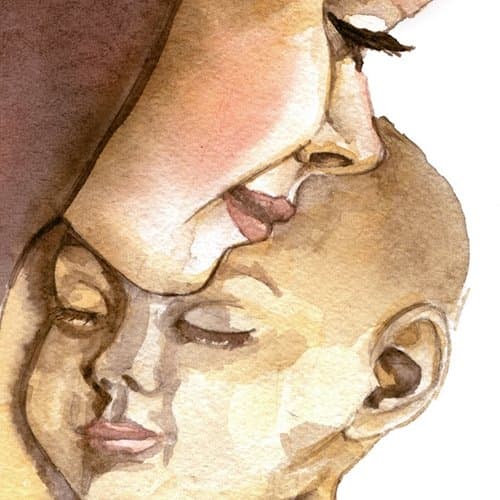
The soul organized around Cancer does not aspire to nurture. It arrives already structured by the need to protect, to hold, to keep what matters from dissolving. This is not a learned compassion or a developed skill. The protective instinct runs through the center of identity itself. The person who has this placement does not wonder whether to care—caring is the baseline of consciousness, the ground floor of how the self knows itself to exist.
What distinguishes this from sentiment is the vigilance underneath. The soul is organized around a perpetual assessment of what is threatened, what is vulnerable, what needs a boundary drawn around it. You read rooms for emotional temperature. You notice who is holding back tears before they do. You move through the world already knowing what people need before they ask, and you have already decided whether you will give it. This is not empathy as a feeling. It is empathy as surveillance. The trade you make is that you are never quite at rest, because protection is a full-time operation. You are always slightly braced.
The identity does not exist apart from the role of guardian. When you are not needed, you feel the ground shift beneath you. This is not codependency in the clinical sense—it is deeper. The soul knows itself through the act of holding others steady. When that role is absent, the self becomes uncertain. You may find yourself creating situations where you are needed, or you may withdraw entirely, because the alternative—existing without a protective function—feels like nonexistence. Notice where you manufacture crisis to restore your sense of purpose.
The failure of this organization is that it mistakes control for safety. You believe that if you can anticipate harm, manage the environment, read the emotional weather perfectly, you can prevent loss. But the world does not work that way, and the soul organized this way learns this truth very slowly, if at all. You will exhaust yourself trying to prevent what cannot be prevented. The people you protect will eventually need to leave, to fail, to hurt themselves despite your vigilance. Your refusal to accept this is not love. It is the armor you built before you understood that some things cannot be guarded against.
What matters now is recognizing the moment when you shift from responding to others' actual needs into managing their emotional states to keep yourself stable. That is the hinge point. That is where protection becomes possession. The next step is not more intensity. It is the willingness to let someone struggle without rushing in.