North Node Square Pallas
Overthinking The Path Ahead
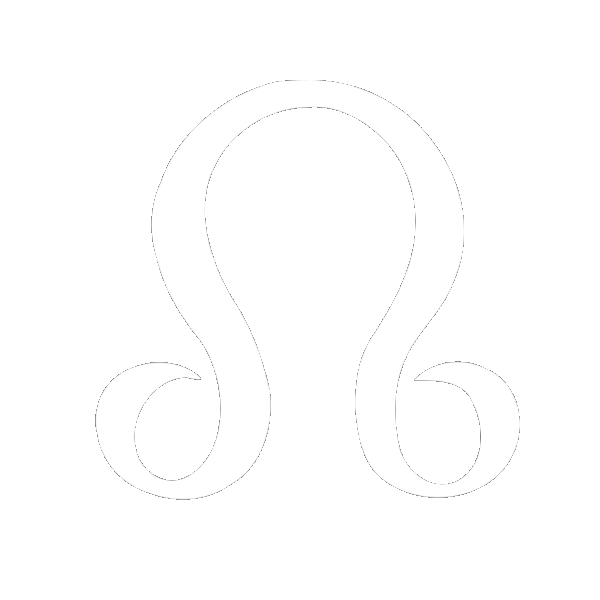
North Node square Pallas creates friction between the direction you are learning to move toward and the way your mind naturally solves problems. The North Node points toward unfamiliar growth; Pallas is pattern recognition, strategy, the ability to see the architecture of a situation before acting. When these are in square, your strategic intelligence often sees the obstacles in your growth path more clearly than it sees the path itself.
You tend to analyze your way into hesitation. Your mind is excellent at mapping complications, spotting where the new direction might fail, identifying what could go wrong if you commit to unfamiliar territory. This same precision that would serve you well in problem-solving becomes a filter that screens out possibility. You say you need more information, or a better plan, or clarity on the outcome, and meanwhile the growth you came here to attempt stays theoretical. Strategy without movement is just worry dressed as intelligence.
The real tension is not that you lack analytical ability; it is that your pattern-recognition mind was trained on the South Node, on what you already know how to do. Pallas is reflexively conservative in this configuration, defending the familiar by pointing out all the ways the unfamiliar is risky. To move toward the North Node, you must learn to act before your strategy is perfect, to move into situations your mind has not yet fully mapped. This does not mean abandoning analysis; it means tolerating the discomfort of strategic uncertainty long enough to gather real experience instead of only predicted outcomes.
The developmental shift is learning to distinguish between useful caution and disguised refusal. When you notice yourself building another layer of analysis before you move, pause and ask: am I protecting myself from risk, or am I protecting myself from growth? The difference is whether the analysis actually changes what you will do, or whether it only delays it.