Cancer 10 Sabian
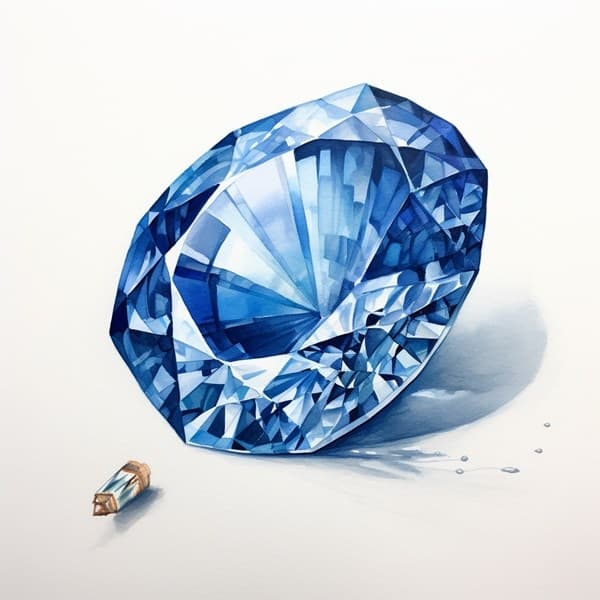
A large diamond not completely cut


The diamond in the cutter's hands is not yet beautiful. It is still rough, still being assessed for its fracture lines and hidden weaknesses. This is the psychology of Cancer at 10 degrees: the raw material of feeling before it has been shaped into something presentable or safe. You arrive at emotional situations with an uncut sensitivity—you feel everything, the weight and the texture and the places where pressure will break the stone. But this rawness is also your vulnerability. You have not yet learned to protect what is tender by understanding its structure. The impulse here is to feel deeply and react from that depth immediately, before you have had time to consider where the real breaks are.
The cutter does not rush. He studies the stone first, turning it in light, looking for the grain. But you often do rush—you move toward people and situations with your whole heart exposed, offering your sensitivity as if it were already refined into something others can hold without harm. You text the person you are afraid of losing. You cry in front of colleagues. You say yes to demands that will drain you because you cannot bear to disappoint. The problem is not that you feel too much. The problem is that you have not yet learned the difference between being open and being unfinished. You confuse rawness with authenticity, as if the uncut state were the most honest one. It is not. It is just the earliest one.
What you are protecting by staying uncut is the terror of being changed. Once a diamond is cut, it cannot return to its original form. The cutter's work is irreversible. You sense this at a level you cannot name. If you allow your feelings to be shaped—by time, by disappointment, by other people's limits—you will lose something of your original self. So you keep your sensitivity sharp and unrefined, hoping that this will preserve you. But what it actually does is keep you in a state of constant reaction. You cannot rest in your own nature because your own nature has not yet been given form. Notice how often you apologize for your intensity while simultaneously refusing to modulate it.
The work ahead is not to become less feeling. It is to learn where the grain actually runs in yourself. This requires sitting still with discomfort long enough to understand its shape. It means letting someone—a therapist, a trusted person, time itself—help you see which pressures will strengthen you and which ones will shatter you. The diamond that is cut becomes both more beautiful and more fragile. This is the trade you are circling: you can remain raw and whole, or you can become refined and vulnerable to breaking in new ways. You are standing at the moment before you choose. What you decide about this choice will determine whether your sensitivity becomes wisdom or remains only reaction.