
Cancer 9 Sabian
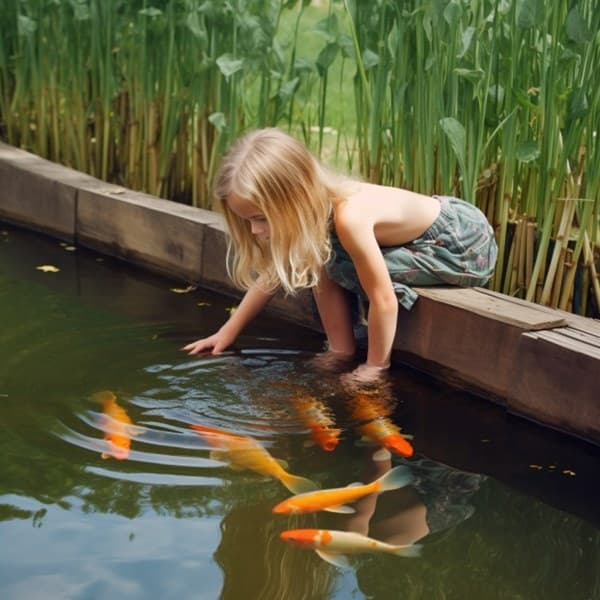
A tiny nude miss reaching in the water for a fish

The central tension is between reaching and possession: the girl bends toward the water, but the fish moves. This is not a symbol about nurture or protection, though Cancer often wears that mask. It is about the raw, pre-verbal need to grasp what cannot be held. At 9 degrees, this is Cancer before it has learned to mother, to contain, to make a home. It is Cancer in its most primitive form: the hunger itself, naked and unguarded. The pond is reflective, unclear. The girl cannot see what she is reaching for. She bends anyway.
This pattern reaches for reassurance by trying to capture the other person's feeling about you. It asks small questions designed to verify you are still wanted. It checks in when nothing is wrong. It offers help that was not requested, then feels rejected when it is declined. The reaching is constant because the fish never stays caught. This energy mistakes the effort for love. It believes that if it bends lower, tries harder, exposes itself more completely, the slippery thing will finally stay in your hands. It does not. The pond remains a place where the reflection is not seen clearly.
What this protects against is the terror of being left at the water's edge. The trade made is this: the energy stays in constant motion toward connection so it never has to feel the stillness of abandonment. Reaching feels like safety. Stopping feels like death. This pattern treats vulnerability as its only currency, offering it early and often, bending lower each time it does not work. The nakedness is not innocence. It is a strategy. Notice when exposure is confused with intimacy, when there is a belief that showing all of yourself will finally make someone stay.
The challenge here is that the reaching prevents the development of the skills that actually hold relationships: boundaries, the ability to wait, the capacity to let someone come to you. This energy is so busy demonstrating need that it does not learn to recognize it in others. The pond becomes a place visited alone, bending over a reflection, trying to catch something that was never separate from you. What matters now is this: stop and look at the water without trying to change it. Notice what happens when you simply stand at the edge instead of bending toward it.

























