
Gemini 16 Sabian
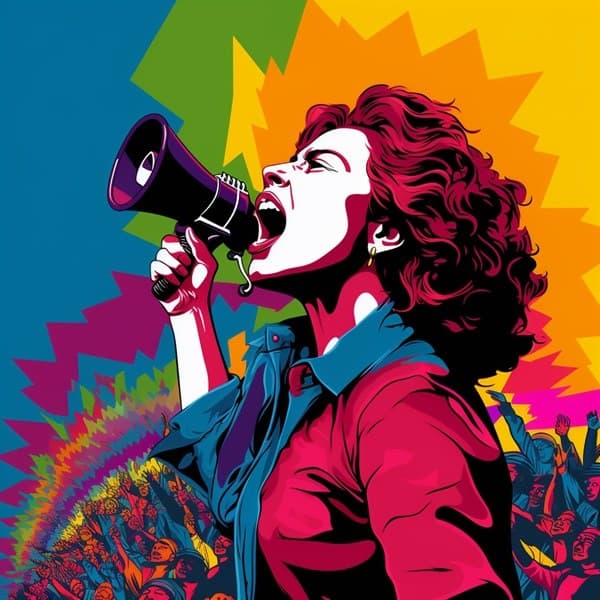
A woman suffragist orating


The central tension here is between conviction and performance. You are at the middle of Gemini, where words stop being neutral carriers of information and become weapons, seductions, instruments of will. The woman in this symbol is not simply speaking. She is dramatizing. The cause matters, yes, but what matters more is whether the room feels it. This is the moment when communication becomes rhetoric, when sincerity becomes strategy. You know the difference between these states. You feel it in your body when you shift from reporting what you think to performing what you want others to feel. The question is whether you can name it, or whether you have already convinced yourself that the performance is the conviction.
Emotionality in Gemini is not natural. Gemini is the sign of the detached observer, the one who sees multiple sides, the one who can argue either position with equal fluency. When emotion enters Gemini, it arrives with purpose. You may notice yourself suddenly theatrical in a meeting, your voice rising, your hands moving in ways they don't usually move, your phrasing sharpened for maximum impact. You are not lying. But you are not being neutral either. The cause is real. The emotion is real. What is constructed is the packaging, the timing, the decision to let others see your passion rather than your doubt. You dramatize because dramatization works. And you have learned that it works so reliably that you sometimes cannot tell whether you are moved by the cause or by the power of moving others.
The failure mode of this symbol is manipulation disguised as authenticity. You can talk yourself into believing that because your cause is just, any rhetorical strategy is justified. You can become someone who cries on cue, who knows exactly which detail will break the listener's heart, who has learned to weaponize vulnerability. The trade you are protecting is this: if you admit that your speech is constructed, you fear the entire cause collapses. If people see the seams in your performance, they will dismiss the message. So you do not separate them. You fuse them. You become the activist who cannot distinguish between what she believes and what she has learned to say with maximum effect. Notice when you are more invested in whether people are moved than in whether anything actually changes.
What is available now is a different kind of integrity. Not the abandonment of rhetoric—that would be naive in a world where communication is always shaped—but the internal clarity about when you are shaping it and why. The woman in this symbol could speak the same words with less dramatization and still be heard. She could trust the cause enough to let it land quietly. She could test whether her conviction survives without the performance. The next step is not more intensity. It is noticing when you reach for the theatrical gesture before you have fully felt what you actually think. Watch where you perform your own certainty instead of sitting with uncertainty long enough to know what is real.
What matters now is distinguishing between moving people and changing minds. They are not the same. You can move a room to tears and watch them leave unchanged. You can speak plainly and plant something that grows for years. The choice is available every time you open your mouth. Notice which one you reach for first.

























