Midheaven Opposition Vertex
The detour you actually needed

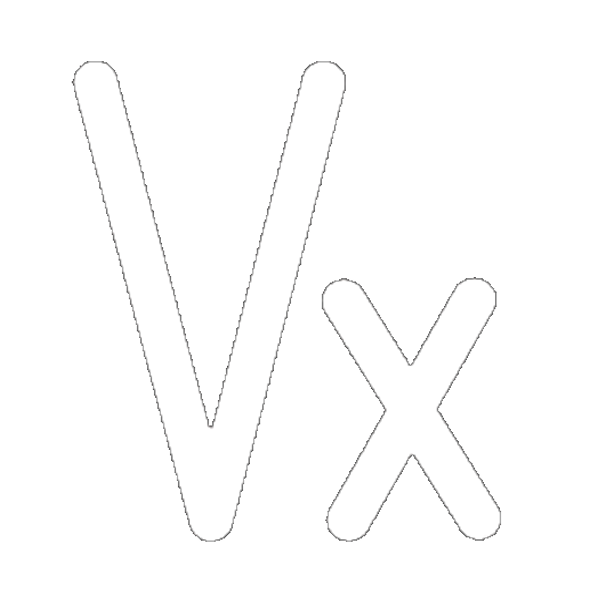
The Midheaven person operates from a public compass, ambition, reputation, the deliberate climb toward a chosen summit. The Vertex person embodies the threshold where fate arrives unannounced, the meeting point that reorganizes what was supposed to happen. When these two points oppose, the Midheaven person's carefully plotted trajectory encounters the Vertex person's uncanny knack for showing up at the exact moment something must shift. The Midheaven person experiences the Vertex person not as a collaborator on their climb, but as a mirror held up to whether they are climbing the right mountain.
The Midheaven person may find their professional identity or long-term ambition suddenly in question when the Vertex person enters their orbit. This is not sabotage; it is confrontation. The Vertex person's mere presence activates doubt in the Midheaven person's certainty about status, calling, or public role. Simultaneously, the Vertex person feels the Midheaven person's gravitational pull toward outcomes, timelines, and social legitimacy as a kind of pressure that either clarifies or destabilizes their own sense of what matters. When the Midheaven person insists on staying the course, the Vertex person may suddenly ask a question that cannot be unasked, and the Midheaven person finds themselves defending their ambitions in ways that expose whether those ambitions belong to them or to an internalized authority.
The relational texture here is one of productive interruption. The Midheaven person is building; the Vertex person is arriving at the threshold. The Vertex person does not move toward the Midheaven person's goals, they move perpendicular to them, and this sideways pull is where the real friction lives. The Midheaven person experiences this as derailment; the Vertex person experiences the Midheaven person's insistence on the plan as a kind of deafness to what is actually happening. When the Midheaven person doubles down on their trajectory, the Vertex person may withdraw or become cryptically silent, which the Midheaven person reads as either support or abandonment, never quite knowing which. This opposition does not soften into compromise easily; it demands that both people clarify what success actually means, and whether the paths they are on serve genuine calling or merely inherited expectation.
The mature expression of this aspect involves the Midheaven person recognizing that the Vertex person's untimely arrivals and unsettling questions are not obstacles to the plan, they are information. The Vertex person, in turn, must resist the temptation to see the Midheaven person's ambition as shallow or misguided simply because it differs from their own threshold-crossing sensibility. When both people can hold this tension without collapsing it into agreement, something unexpected emerges: the Midheaven person's drive gains authenticity through the Vertex person's refusal to accept anything less than genuine, and the Vertex person finds that their seemingly fated encounters actually require intention, strategy, and the willingness to build something that lasts. The opposition becomes not a barrier but a necessary friction, one that keeps the Midheaven person honest and the Vertex person grounded.