Moon Inconjunct Vertex
Emotional rhythms meeting sudden change

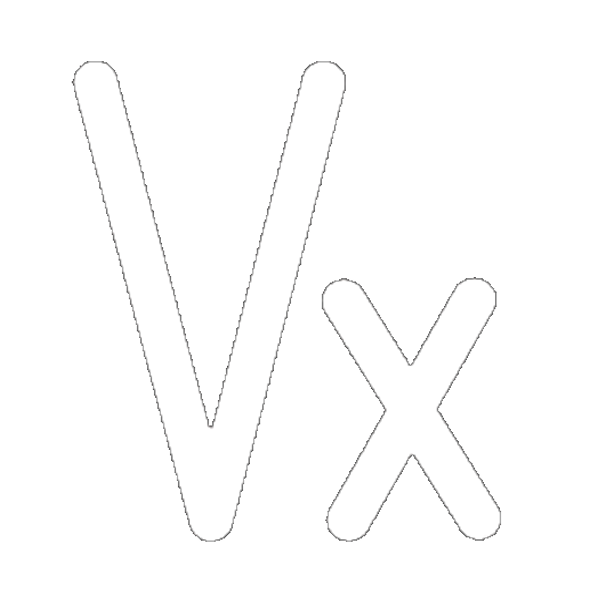
The Moon person operates from instinctive emotional need and rhythmic safety; the Vertex person embodies the threshold where significant relational encounters occur. These two systems do not naturally synchronize. The Moon person's comfort arrives on its own schedule, cyclical, prereflective, rooted in what feels familiar. The Vertex person's moments of meeting often arrive without warning, demanding presence at a specific junction. When these timings collide, the Moon person may feel emotionally unprepared or defensive at precisely the moment they experience as pivotal.
The Moon person's nurturing instincts and emotional reflexes rarely match the Vertex person's readiness for significant encounter. When the Vertex person seeks intensity or clarity at a crossroads, the Moon person may retreat into self-protection or need to process privately first. This creates a small but persistent friction: the Vertex person experiences the Moon person as emotionally unavailable or reactive at crucial junctures, while they experience the Vertex person's timing as emotionally unsafe, too exposed, too fast. Neither is wrong; they are simply asking for different conditions. A conversation that feels fated to the Vertex person may feel invasive or premature to the Moon person, who needs to circle the feeling first.
Over time, this aspect activates a specific behavioral loop. The Vertex person senses a threshold moment approaching and leans in for clarity or commitment. The Moon person, not yet emotionally oriented to this crossing, pulls back or becomes guarded, which the Vertex person reads as evasion or emotional withholding. The Moon person then feels pressured and withdraws further, while the Vertex person grows more insistent, each person confirming the other's worst fear: that they cannot be met where they actually are. Breaking this loop requires the Moon person to recognize when the Vertex person is genuinely at a crossroads and to move toward the encounter even before feeling ready, and the Vertex person to slow enough to notice that the Moon person's hesitation is not rejection but a different temporal rhythm that eventually arrives.
The mature expression is not synchronization but mutual accommodation: the Moon person becomes more available to significant moments without abandoning their need for safety; the Vertex person learns to hold space for the Moon person's emotional process without losing the clarity of the encounter. When this works, the Moon person's depth actually anchors the Vertex person's crossroads, preventing hasty decisions made in the heat of fateful timing. The shared risk is that both may assume the other is simply being difficult rather than recognizing they are operating from genuinely different relational coordinates. The Moon person may interpret intensity as emotional volatility. The Vertex person may interpret caution as emotional coldness. Without this recognition, small misalignments accumulate into a pattern of feeling unseen at exactly the moments that matter most.